
The Future of Advertising is Product Placement And Integration
When people think of product placement in movies, they usually picture a drink or food wrapper with the label facing the camera, but the truth is it’s far more nuanced and abundant within the realm of the story on screen. From the car a character drives to the glasses they wear, product placement can be as subtle as a character's apparel to bold and in your face like Superman throwing a villain through a giant neon Coca Cola billboard after he himself is thrown through a Marlboro delivery truck.
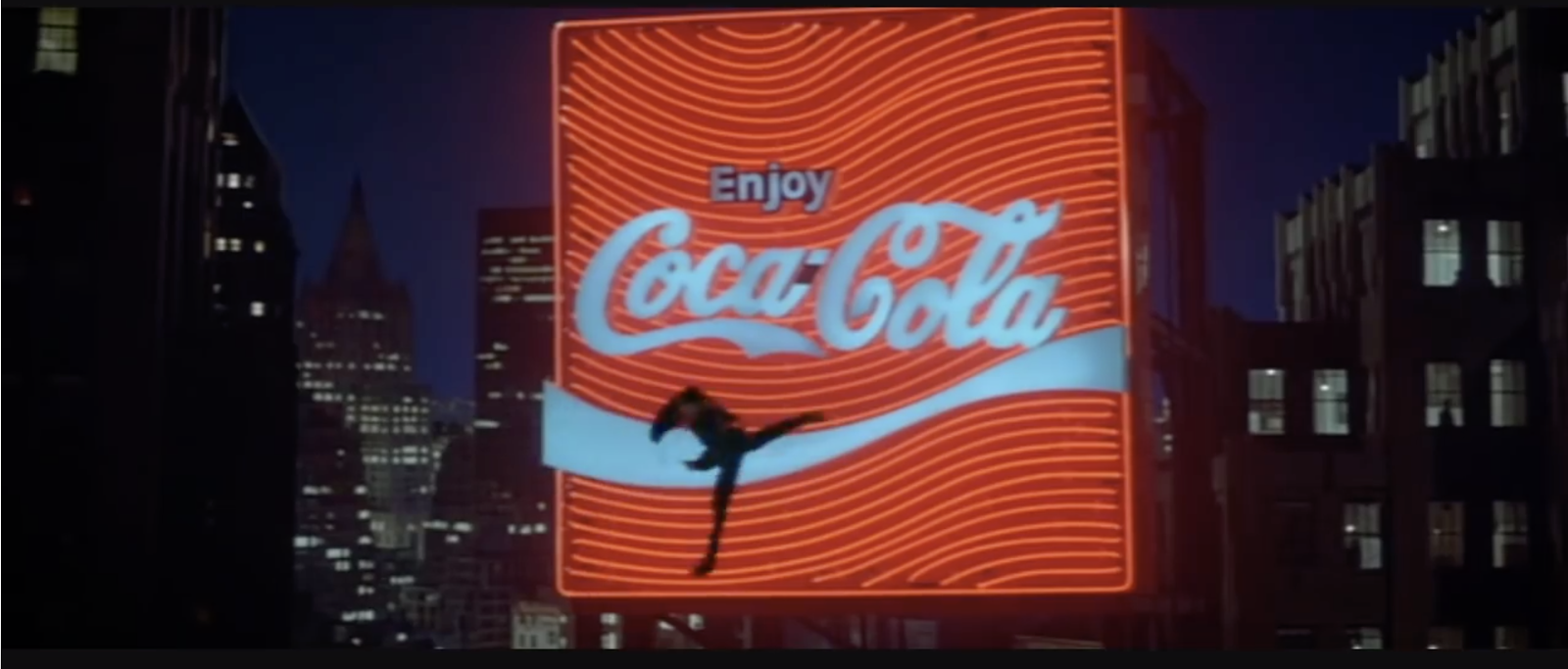
Image from Superman II, Warner Bros. Entertainment Inc. (© 1981, 2006, 2014, 2017)
Whether you’ve thought about it or not, chances are you can picture a scene in a movie that triggers an association with a particular articulated product, service, or brand. Kids growing up in the 90s were basically subject to non-stop ads. While more subtle and spread out across mediums today, product placement is growing more in value and efficacy.
Our media landscape is more diverse than ever, with people seeking entertainment in a variety of different mediums. From vertical shorts to movie theaters, entertainment has never looked more diverse. While this landscape creates fractured audience demographics, it actually creates an opportunity for more specialized — targeted— advertising. This is where product placement can become a valuable asset. In a world where ads can be skipped or avoided altogether, product placement and product integration can be extremely effective.
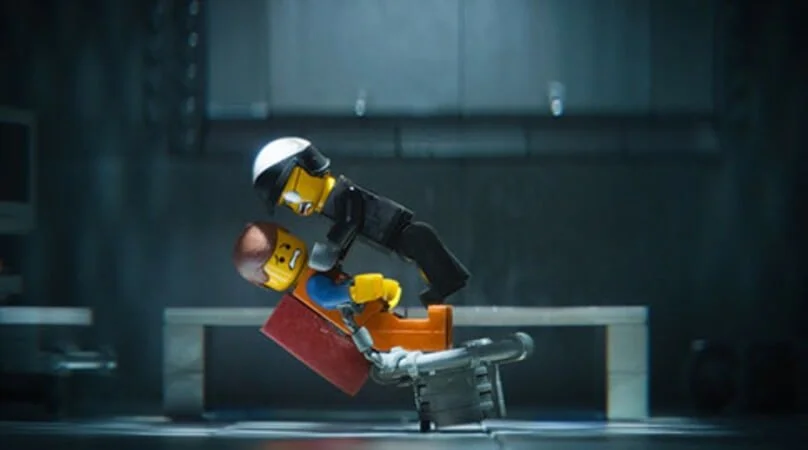
The LEGO Movie (2014) © Warner Bros. Entertainment Inc. and The LEGO Group
Audiences watching their favorite characters interacting with products are 10% more likely to build brand affinity, increasing sales by 11%. In streaming platforms like Hulu, that influence is even greater. The result is companies can target ideal customers and render higher returns with curated audience sizes.
Product integration takes it one step further by weaving the plot of the story with specific products, brands, tech services, etc. it’s not just displaying a logo somewhere on screen, it’s driving the story forward in a way that incorporates a brand; connecting the plot and brand awareness in a way that audiences have no choice but to associate one with the other. For example, in Back to the Future, Doc Brown converts a Delorean DMC -12 into a time machine. The car was integral to the story and has become the identity of the brand — albeit unsuccessful in overcoming the issues that DeLorean Motors faced with the vehicle. Other examples include the Plaza Hotel in Home Alone 2 and Kellogg’s Eggo Waffles in Stranger Things are examples of plot devices that use consumer brands to drive elements of the story, making the audience not only conscious of the brand, but forcing them to actually think about them without coming off as forced or a sales pitch.
If you’re considering the value of product placement and product integration, Boathouse Pictures has great opportunities for small businesses on limited budgets. Whether it’s simply existing in the world of the story or being actively used as a plot device, product placement and product integration have been around for decades, but have become more valuable advertising tools than ever before. This video from Cheddar goes into a deeper dive about the history and future of product placement. After considering your options, you can reach out to our ads team for more info on how you can get started.
Article by: Andre Saballette.
Andre has a background in advertising and experience with video marketing.
For full marketing support, check out our sister agency, Spruce Hill Partners.
